
Starkville City Directory Collections
The main local shelf is no secret. The Starkville Public Library Local History and Genealogical collection sits at 326 University Drive. Its Stark Annex keeps Starkville telephone directories alongside high-school and university annuals, local books, periodicals, and newspapers. The catalog names no exact telephone-directory years. Nor does it promise a full historical city-directory run. A telephone directory proves a household at a date, but it is not automatically a complete Starkville residents directory, and missing years should stay missing until a source fills them.
| Collection | Years | Where Held | Access |
|---|---|---|---|
| Starkville telephone directories | Exact years not published | Stark Annex, Starkville Public Library | Ask staff for the shelf list and the edition needed |
| High-school and university annuals | Dates vary; public list not supplied | Stark Annex | On-site collection and staff confirmation |
| Starkville city-directory leads | 1994, 1997, 1999 | Secondary genealogy listing, not a confirmed local run | Verify title, publisher, and holdings with the library |
| Newspapers, maps, vertical files, and genealogy | Collection-specific dates vary | MSU Special Collections | Focused request or Reading Room appointment |
Those 1994, 1997, and 1999 citations are leads only. No publisher is named for them. No complete series is documented either. When a needed year is absent, look for a neighboring edition, a telephone directory, a newspaper, an annual, or a finding aid covering the same stretch of time. Note: record the edition title and its publication date before comparing names across sources.
Starkville Directories at the Annex
The Stark Annex earns more than a quick stop. Room 1 holds genealogy and family-history books, periodicals, telephone directories, annuals, and a microfilm reader-printer. Room 3 is different. Climate-controlled mobile shelving there protects primary documents such as letters, photographs, journals, and newspapers. The square footage varies by source. The library's web page describes three rooms and 2,300 square feet, while the collection brochure gives about 2,600 square feet including an archives vault. Keep both figures with their sources.
Email the Annex at stark.annex@gmail.com with a precise request. Say exactly what you need: telephone directory, city directory, annual, newspaper, photograph, family file, or a microfilm finding aid. Bounded requests work best. Give name variants, a street, a tight year range, and the hoped-for result, such as an edition check or a scan. The library confirms its telephone directories, but it publishes no verified list of reverse-directory titles, dates, or a dedicated obituary index.
Reading a Starkville Directory Entry
A directory line means little without its volume. Read the introductory pages of any historical Starkville city directory before copying a single entry. Telephone directories and city directories do different jobs. The first shows a subscriber and a number; the second may run alphabetically, by street, or by another scheme. No format should be assumed from an uninspected volume. Treat the field list as a checklist of what an edition may show, not a promise that every Starkville volume carries every field.
| Listed name | Record the spelling, initials, suffixes, and whether the entry is a person, business, or institution. |
|---|---|
| Street address | Copy the number and street exactly, then keep the edition date beside it. |
| Telephone number | Identify whether the listing is a subscriber entry rather than a confirmed household roster. |
| Entry type or note | Preserve any abbreviation, cross-reference, or other mark exactly as printed. |
| Source details | Keep title, publisher if stated, publication date, page, and repository for later checking. |
Every directory line is a dated clue. It supports a residence or contact claim only as far as the entry itself goes. So does a move or a missing listing. Test the entry against a newspaper, annual, deed, or map before an incomplete line hardens into a firm conclusion.
- Criss-cross directory
- A directory arranged by street and address instead of only by name. The Starkville public collection description does not verify a criss-cross run, so ask staff whether one exists for the period.
- Householder index
- An index intended to connect an address with a listed household or subscriber. Its title and scope vary by volume.
- Abbreviation key
- The explanatory list printed in a volume, if present. Photograph or transcribe it before interpreting a short mark.
Starkville Directory Leads
A secondary genealogy listing cites Starkville city-directory entries for 1994, 1997, and 1999. That is all it does. It names no publisher. It does not show whether intervening years exist. Nor does it say where a complete set lives. Treat each citation as a lead for the Annex, an archive catalog, or the original edition. Calling them a full run would overstate the evidence.
The statewide fallback is the Mississippi Department of Archives and History catalog. It narrows to city and telephone directories, genealogical files, maps, newspapers, yearbooks, manuscript collections, and government records. Some MDAH material is online. Much of it requires a trip to the William F. Winter Archives and History Building in Jackson, and a catalog hit is a starting citation, not a promise of a digitized page.
Starkville Household Directory Trail
Family history rewards tidy paperwork. Make one dated row for every directory appearance. Record the name exactly as printed, the street spelling, the directory type, the page, and the source that will test the entry. That habit keeps a telephone subscriber distinct from a deed party, a newspaper mention, or a school record. It also marks the years that never turn up.
- Start with the earliest available Starkville telephone directory, city-directory lead, annual, or newspaper reference for the name and address.
- Copy the edition date and page, then repeat the search in the next confirmed local source instead of assuming an annual sequence exists.
- Pair each dated directory result with the relevant census-era source, keeping the different source types in separate columns.
- Use a deed, map, or newspaper only for the fact it actually supplies, such as a title party, building context, or event date.
- Mark an address or name change as a question until a second dated record supports the connection.
A disappearance has many causes. A move explains some. An omitted listing, a changed name, or a changed publication explains the rest, and a negative search counts only when repository, title, dates, spellings, and pages searched are all recorded.
Starkville Directory Companions
Annuals and newspapers give a Starkville city directory entry a second opinion. The Annex keeps high-school and university annuals alongside its newspapers. Its finding aids reach further. They cover African American Genealogy Resources, Oktibbeha County Government, the Oktibbeha County Heritage Museum, and several family collections. The Wier family letters span 1846 to 1987. Access to each collection follows its own rules, so ask before planning a visit.
One shelf rarely settles a name. Compare the directory date against an annual, a newspaper notice, a family paper, and a land record, because each answers a different question. A student listing can pin a school-era connection. A newspaper can date an event. A deed names the parties to a transaction. Only an entry that states residence or occupancy, though, supports a conclusion about where someone actually lived.
Starkville Directory Research at MSU
MSU Special Collections sits in Mitchell Memorial Library at 395 Hardy Road. The department holds more than 700 manuscript collections. It also keeps Mississippiana, newspapers, maps, vertical files, and genealogy material. Its regional scope covers Starkville and Oktibbeha County. For a specific obituary, newspaper article, or record search, the library offers an online request route, consultation, and Reading Room appointments. Staff limit research assistance to 30 minutes, so a focused request works best. MSU's public Special Collections page explains that request process. It covers newspaper, map, manuscript, and vertical-file inquiries.
Build the request around specifics. Give full name variants, a date range, and a street or address. Name the record type. Say whether it concerns a manuscript, newspaper, map, or vertical file. Those details hand staff a bounded search. They avoid a sweep through every record tied to a name.
Heritage Sources for Starkville Directories
The Oktibbeha County Heritage Museum occupies the 1874 Mobile & Ohio railroad depot. The address is 206 Fellowship Street. Its public material covers local school, church, agriculture, industry, railroad, shop, and Main Street history within a broader county context. The library's Heritage Museum finding aid also lists road documents from 1887 to 1927. It adds teacher-pay receipts from 1896 to 1928, poll books, justice dockets, ledgers, scrapbooks, and printed material. Access to the original files rests with the library or museum, so confirm before you cite. The museum's permanent-exhibits page names the local-history themes. Those themes give a dated directory entry its surrounding context.
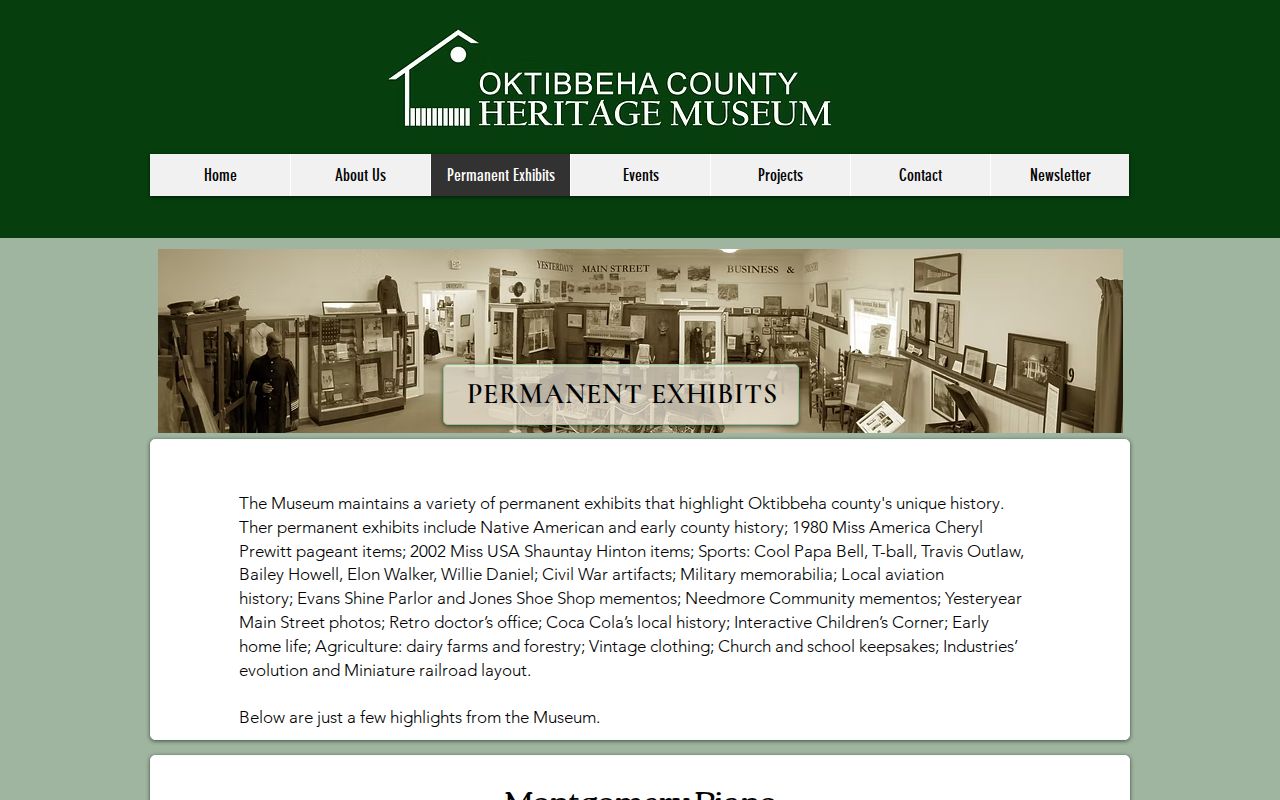
A museum file or exhibit adds community context to a directory entry. It cannot replace a dated directory or a courthouse record. Nor should a place association become a claim about a particular person.
Starkville Directory Map Context
The Library of Congress February 1900 Starkville Sanborn item holds three sheets plus a public-domain digital file. A Sanborn map shows street names, blocks, building footprints, materials, and uses on the edition date. It will not name an occupant or prove title. If an old address seems missing, check first whether the sheet covers that block or the right side of the railroad. Only then draw a conclusion.
Local history frames the map work well. The railroad reached Starkville in 1874. A downtown fire in 1875 destroyed 52 buildings and widened Main Street. Sanborn editions then expanded across 1885 through 1925. The fire destroyed no courthouse records, so treat that story carefully. Match each map to a date-matched directory, deed, newspaper, or plat rather than map appearance alone.
Starkville Directory Requests
A good archival request stays short and reproducible. Ask the Stark Annex whether it holds a telephone directory, city-directory edition, annual, newspaper, vertical file, manuscript finding aid, photograph, or map. Name your years in the same message. List alternate spellings and the address as printed. Add a business name if the record involves one. Include a neighborhood or historic-district name as well. Request that staff record which titles, dates, and pages they checked.
Divide the labor by strength. MSU suits newspapers, maps, vertical files, and regional manuscripts. The museum suits local artifacts, scrapbooks, school and church context, industries, and Main Street photographs. Keep every citation the repository supplies: collection or finding-aid title, box or folder, item title, date, and restriction. Keep the exact request terms too. A limited negative response proves a completed search. It does not prove that a person never lived in Starkville.